How Nordic Architecture Balances Custom with Sustainability By Guss Woltmann
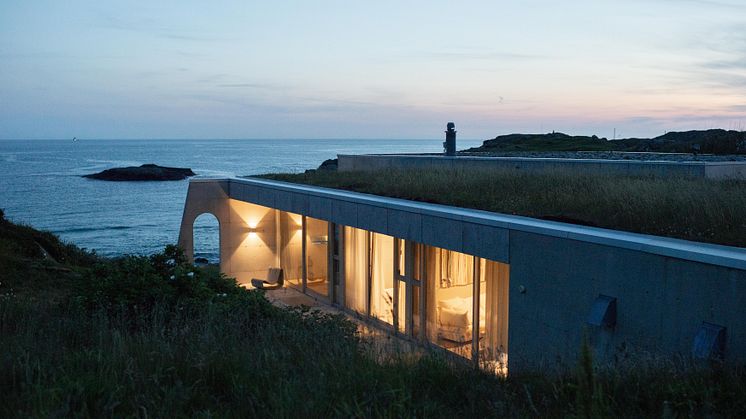
Nordic architecture has generally been closely tied to its surroundings. Historically, builders in Norway, Sweden, Denmark, Finland, and Iceland relied on organic resources like wood, stone, and clay to produce properties that might stand up to harsh climates. These choices were not merely realistic but deeply cultural, embedding regard for character and Neighborhood into style. Traditional sorts—which include turf-roof properties, log cabins, and coastal fishing huts—reflected a philosophy of simplicity, durability, and harmony with the landscape. Let us test it out with me, Gus Woltmann.
The Rise of Sustainable Innovation
For the Nordic nations around the world, sustainability is just not a fashionable add-on but a continuation of extensive-standing cultural values that regard the organic globe. The location’s architecture has constantly emphasized longevity, resourcefulness, and effectiveness, shaped by requirement in climates in which winters are lengthy and means have been historically scarce. In fashionable moments, as international discussions on local weather change and environmental accountability intensified, Nordic architects By natural means found by themselves in the forefront of sustainable innovation.
On the list of hallmarks of this evolution has been the embrace of Electricity-effective setting up ideas. Principles like passive residence structure, which target reducing Vitality use by means of insulation, airtight design, and organic warmth recovery, have been rapidly adopted and adapted through the region. These procedures resonate with more mature traditions of conserving warmth and daylight but are actually executed with advanced technologies for instance triple-glazed windows, wise Electrical power methods, and photo voltaic integration.
A very notable pattern could be the revival and reinvention of wood like a Key construction materials. Traditionally, Wooden was abundant and extensively Utilized in Nordic architecture, from log cabins to stave church buildings. Today, innovations in cross-laminated timber (CLT) and also other engineered Wooden products have allowed architects to build tall, modern-day, and fireplace-safe buildings with nominal carbon footprints. This not simply reduces reliance on concrete and steel—each key resources of worldwide emissions—but will also reconnects communities with a material deeply rooted in their cultural identity.
Assignments like Norway’s Powerhouse Brattørkaia, which generates additional Electrical power than it consumes over its lifetime, or Sweden’s Sara Cultural Centre, among the tallest timber skyscrapers on earth, spotlight how innovation and tradition merge. These assignments are not simply useful and sustainable and also aesthetically aligned Along with the Nordic determination to light-weight, openness, and simplicity.
Further than products and technology, innovation in Nordic architecture also extends to city structure. Towns like Copenhagen and Helsinki are world leaders in sustainable scheduling, prioritizing pedestrian-welcoming layouts, built-in biking infrastructure, and substantial community transit. These design and style decisions reduce emissions, encourage Group conversation, and guidance more healthy lifestyles—showing that sustainability is just as much about social very well-becoming as it can be about environmental duty.
In brief, the rise of sustainable innovation in Nordic architecture is fewer a few split from tradition and more details on a seamless continuation of it. By combining cultural heritage with slicing-edge technologies, the Nordic model demonstrates how architecture is usually both equally ahead-searching and deeply respectful of its roots—setting a world example of how to build for just a long run the place human progress and ecological obligation go hand in hand.
Iconic Examples
The philosophy of Nordic architecture is finest comprehended not just in idea but throughout the constructed Areas that embody it. Throughout the region, architects have made iconic works that marry regular values of simplicity and respect for mother nature with reducing-edge approaches to sustainability. These structures stand as physical testaments to how style and design can serve both of those cultural identification and ecological responsibility.
Just one striking case in point may be the Oslo Opera House in Norway, made by Snøhetta. Its sloping, glacier-like structure invitations the public to stroll across its roof, breaking down obstacles concerning constructing and environment. Created with locally sourced resources such as marble and oak, the opera property also incorporates energy-productive units that minimize very long-term intake. It demonstrates the Nordic ethos of accessibility—an art Room that belongs don't just to elite audiences but towards the broader Local community.
In Sweden, the Sara Cultural Centre in Skellefteå signifies a revolution in materials innovation. At twenty tales tall, it is among the tallest timber structures on the globe, constructed totally from domestically harvested Wooden. Utilizing Innovative cross-laminated timber (CLT), the composition dramatically decreases the carbon footprint when compared to standard metal and concrete construction. It's a bold assertion that reimagines Wooden—not to be a relic of custom but as a modern Answer to sustainable urban residing.
Denmark delivers A further influential product Using the CopenHill waste-to-Vitality plant in Copenhagen. Made by Bjarke Ingels Team (Major), the power don't just transforms squander into clean up energy for tens of A large number of houses but in addition doubles being a leisure hub, that includes a rooftop ski slope and climbing wall. This blending of utility, sustainability, and community engagement is quintessentially Nordic, demonstrating that infrastructure itself can boost quality of life.
Iceland’s Harpa Concert Hall and Conference Centre in Reykjavik is yet another standout. Designed in collaboration with artist Ólafur Elíasson, the glass façade is inspired by basalt rock formations, merging artwork, mother nature, and architecture. Further than its Visible brilliance, the making employs geothermal heating—a nod to Iceland’s considerable renewable assets—illustrating how tradition and local Power align seamlessly in contemporary design.
These illustrations emphasize a reliable concept: Nordic architecture is just not about producing monuments for admiration on your own but about crafting spaces that Are living with their ecosystem and enrich Local community effectively-becoming. Whether or not through the reinvention of Wooden, the transformation of waste into Power, or maybe the democratization of cultural Areas, these assignments show that architecture can be legendary not since it imposes itself, but mainly because it harmonizes sustainability with human knowledge.
Neighborhood and Cultural Continuity
At the guts of Nordic architecture lies in excess of sustainability and innovation—it really is about developing Areas that protect cultural identity and foster a robust sense of Group. Not like purely functional or business tasks, many Nordic models deliberately replicate traditions, values, as well as the everyday rhythms of regional lifestyle. This cultural continuity makes certain that even essentially the most ahead-pondering properties continue to be grounded in the social material in their surroundings.
On the list of defining ideas is openness and inclusivity. Nordic societies benefit public use of shared Areas, and this is mirrored in architecture. City squares, libraries, cultural centers, and in some cases major landmarks are sometimes designed to be approachable and participatory as an alternative to exclusive. As an illustration, Norway’s Oslo Opera Dwelling was developed just as much for people to stroll on and communicate with as to deal with performances. In this way, architecture strengthens civic identification when encouraging individuals to interact with artwork and society as A part of everyday life.
Custom also performs a role in shaping continuity. Nordic architects usually attract on vernacular sorts, supplies, and spatial arrangements which were Element of the region for centuries. Wood constructions, steep gables, and The mixing of purely natural light usually are not only aesthetic decisions—they evoke a cultural memory of resilience in severe climates along with a respect to the landscape. Modern-day timber jobs like Sweden’s Sara Cultural Centre represent a continuation of these traditions, combining nearby components with slicing-edge tactics.
Sustainability by itself is framed not simply being an environmental obligation but being an extension of cultural accountability. In international locations like Iceland, where by geothermal Electrical power is central, or Denmark, with its emphasis on bicycle-friendly city design, architecture embodies community values of balance with nature and collective well-being. Buildings are designed not only to attenuate effects but to symbolize continuity with cultural values that prioritize harmony concerning individuals as well as their natural environment.
Also, Nordic architecture nurtures social link by generating multifunctional spaces in which individuals Normally Collect. Community facilities double as effectiveness venues; universities operate as hubs for evening occasions; and even infrastructure jobs like Copenhagen’s CopenHill invite recreation along with utility. These spaces blur boundaries between work, Participate in, and Finding out, reflecting a tradition exactly where Group cohesion is integral to Standard of living.
In the end, Nordic architecture is not about preserving custom like a static relic but about weaving it into the future. By integrating cultural values into structure, it makes sure that buildings are usually not isolated objects but residing parts of communities—continuing tales of resilience, inclusivity, and shared identification.
A Product for the long run
Nordic architecture provides much more than regional inspiration—it is becoming a global design for how to harmony human requirements, cultural values, and environmental obligation. In an period in which towns worldwide are facing swift urbanization, local weather troubles, and social fragmentation, the Nordic strategy demonstrates that it can be done to innovate without having website getting rid of sight of tradition, Local community, or ecological stewardship.
Among the most vital aspects of this design is its holistic philosophy. Instead of dealing with architecture to be a independent self-control focused exclusively on aesthetics or engineering, Nordic structure integrates sustainability, tradition, and social very well-being into every single phase of improvement. Through the sourcing of renewable products like timber, to Vitality-successful systems powered by wind or geothermal Strength, into the creation of spaces that foster inclusivity and accessibility, the Nordic technique is inherently interdisciplinary. This holistic standpoint offers lessons for other nations having difficulties to reconcile expansion with sustainability.
Similarly essential may be the scalability of Nordic rules. Though iconic tasks including Norway’s Oslo Opera Household or Denmark’s CopenHill attract global interest, the real power lies in the best way these Strategies permeate day to day Areas. Colleges created with plentiful normal gentle, household complexes that really encourage communal dwelling, and bicycle-welcoming towns are not merely elite showcases—They are really lived realities for ordinary people. This tends to make the Nordic model adaptable for communities globally, from creating urban centers to experienced megacities.
A further vital feature is the long-time period mentality. Nordic nations around the world figure out that architecture will not be only for nowadays but for generations to come back. Tasks are evaluated not only on immediate Price tag or Visible attractiveness but in addition on sturdiness, environmental impact, and social benefit around a long time. This forward-thinking standpoint contrasts sharply with small-phrase, revenue-pushed developments prevalent in lots of elements of the world. By emphasizing longevity and resilience, Nordic architecture sets an ordinary for dependable preparing in the deal with of world crises like climate transform.
Eventually, the Nordic model reminds us that architecture is about in excess of structures—it is about shaping how persons Dwell, connect, and prosper. It exhibits that structure rooted in sustainability and tradition can create metropolitan areas that are not only successful but additionally humane, inclusive, and inspiring.
As the whole world queries for pathways to sustainable development, Nordic architecture stands as equally a blueprint along with a beacon. It proves that natural beauty, tradition, and obligation can coexist—and that our designed atmosphere can function a bridge in between heritage and also a sustainable long term.